Get in on the Action! All You Need to Know About Class Action Settlements
Many settlements go unnoticed simply because people do not know what they are or how they may qualify. Don't make the same mistake those people are making!

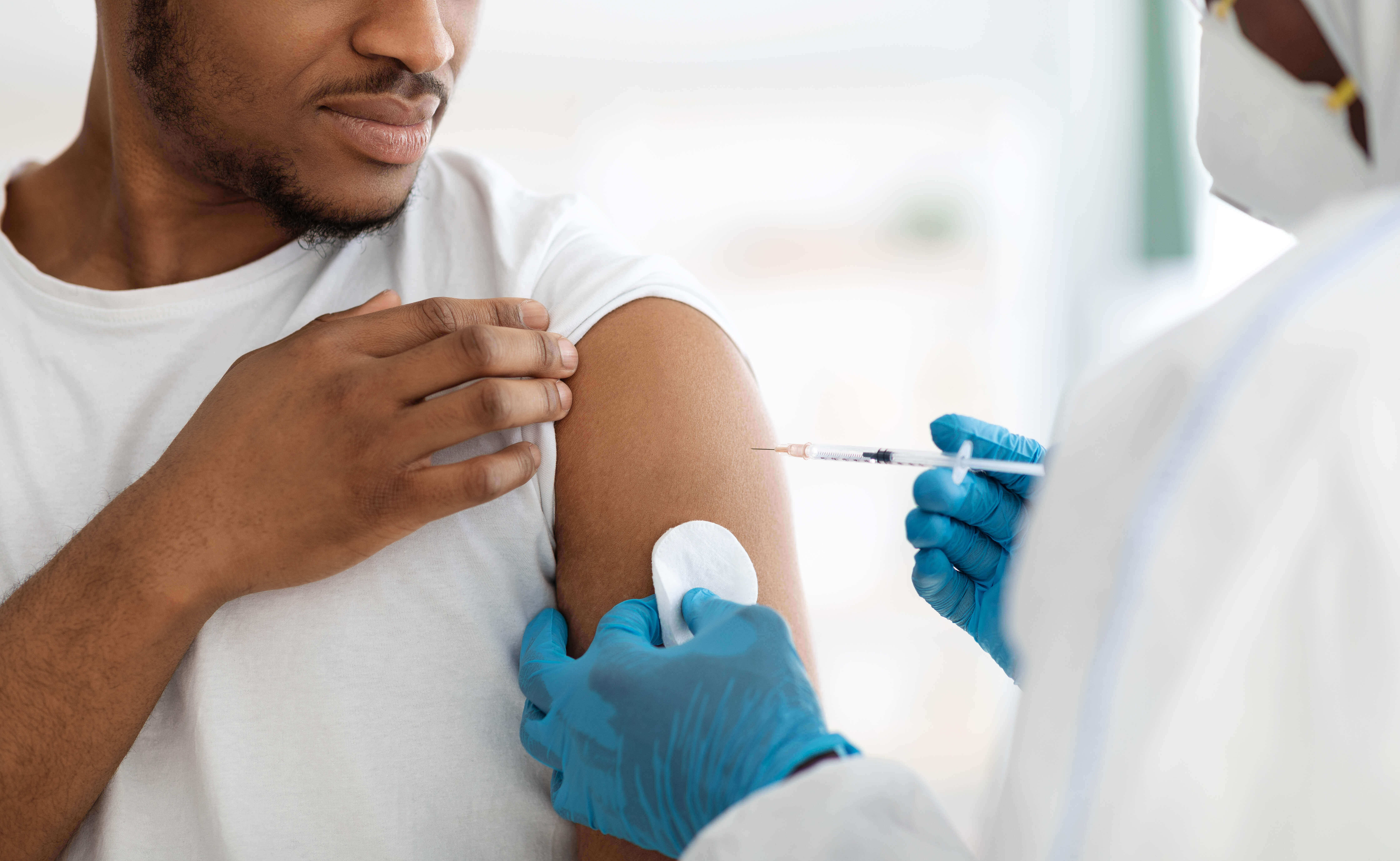
From time to time, public health emergencies and other security threats can put people across the country at risk. To help protect against these threats, the government supports the development of what are known as “countermeasures.”
These can include special vaccines, medications, medical devices, and other products used to prevent, diagnose, or treat a serious public health emergency or security threats, such was the case during the COVID-19 pandemic.

COVID-19 vaccines are one example of a countermeasure, but the Countermeasure Injury Compensation Program (CICP) can also cover countermeasures used for threats such as pandemic flu, smallpox and mpox, anthrax, Ebola, and Zika.
While most people who receive a countermeasure do not have serious problems, when a covered countermeasure causes a serious physical injury, the CICP may provide financial help.
The CICP stands for Countermeasures Injury Compensation Program and was established to help people who suffer certain serious injuries or deaths caused by covered countermeasures.
Depending on the situation, the program may pay for medical bills not covered by insurance, lost income from work, and benefits for family members if a countermeasure death occurred. The CICP is considered a payer of last resort, meaning other sources, such as health insurance or workers' compensation, generally pay first.
A CICP injury generally needs to be serious enough that it would require hospitalization or cause a major loss of function or disability. Simply having a health problem after receiving a countermeasure does not automatically mean the countermeasure caused it. CICP looks for medical and scientific evidence connecting the injury to the covered product.

The CICP has received 14,830 claims since the first claim was filed in 2010. As of September 1, 2026, the program had made decisions on 8,730 claims. Of those, 160 met the requirements for compensation, including 93 claims that had already received payment. The 93 paid CICP claims total more than $13.6 million.
COVID-19 makes up most of the program's claims, counting for over 95% of all claims submitted since 2010. Of 14,206 COVID-19 claims, 11,145 involved reported injuries or deaths connected to a COVID-19 vaccine, while 3,061 involved other COVID-19 countermeasures or claims where the type was unclear when filed.
If you believe a covered countermeasure caused a serious injury, time matters.
You generally have one year from the date you received or used the countermeasure to request CICP benefits. Missing that deadline is one of the most common reasons claims have been denied.
To review your claim, the CICP will need information showing what countermeasure you received and medical records showing your injury. The program does not contact your doctors to collect those records for you, so it is your responsibility to make sure they are submitted.

To file a CICP claim, you will need a few forms and records:
A Request for Benefits form
Authorization for Use or Disclosure of Health Information form
A separate authorization form for each health care provider who treated you
Proof that you received or used a covered countermeasure, such as a vaccine card or a prescription
Medical records showing your health before and after the injury, including doctor visits, hospital stays, procedures, and test results
Your health care providers can send records directly to the CICP, but it is still your responsibility to make sure all records are received.
The program will not contact your doctors for you and does not pay the cost of getting your medical records.

As of September 2026, HRSA reported 8,570 denied CICP claims. The largest groups involved missing medical records, missed filing deadlines, or claims that did not meet the program's injury or proof requirements.
No. CICP and VICP cover different types of vaccines. Which program applies depends on the vaccine or countermeasure involved.
For vaccine-related injuries including vaccines such as seasonal flu, tetanus, and HPV individuals may file a petition and provided financial compensation through the National Vaccine Injury Compensation Program (VICP), a no-fault alternative to the traditional legal system for resolving vaccine injury petitions.
If you believe a covered countermeasure caused a serious injury, you can learn more about the CICP and review the filing requirements before the one-year deadline passes.
If your injury involves a vaccine that is covered by the VICP instead, you can learn more about filing a VICP petition with the U.S. Court of Federal Claims.