
Who Can Listen In? A Simple Guide to the ECPA
Individuals and organizations may handle private conversations every day. Knowing how electronic privacy laws work can help you understand when communications may be protected.

Phone calls, messages, and other electronic communications can contain sensitive information. The Electronic Communications Privacy Act (ECPA) sets rules for how these communications may be accessed, used, or shared, making it an important law for both individuals and organizations.
The ECPA helps protect the privacy of phone calls, emails, and other electronic communications while they are being sent and after they are stored. The Act also updated the older Wiretap Act of 1968, which mainly focused on traditional phone lines and did not fully cover newer digital communication.
As technology changed, privacy laws had to catch up. The ECPA expanded protection to things like email, mobile phone calls, and electronically stored data, while also setting rules for when certain information can be accessed or intercepted.
The ECPA includes three key parts. Each one protects a different type of private communication or tracking information.
Title I: Wiretap Act 
This law helps protect phone calls and electronic messages from being secretly listened to, recorded, or shared. There are some exceptions. For example, certain service providers may access communications when needed to run their services, and law enforcement may be allowed to intercept communications with proper legal approval. In some national security cases, surveillance may also be allowed under the Foreign Intelligence Surveillance Act (FISA).
Title II: Stored Communications Act (SCA)
This part protects emails, messages, and other electronic information that is stored on a server. It limits when someone can access stored communications without permission. It also sets rules for when law enforcement may ask a company to provide stored records or messages.
Title III: Pen register and trap-and-trace device statute
The third part covers tools that track phone and communication details. A pen register tracks outgoing numbers, while a trap-and-trace device tracks incoming call information. These tools usually do not record the actual conversation, and law enforcement generally needs court approval to gain access to use them.
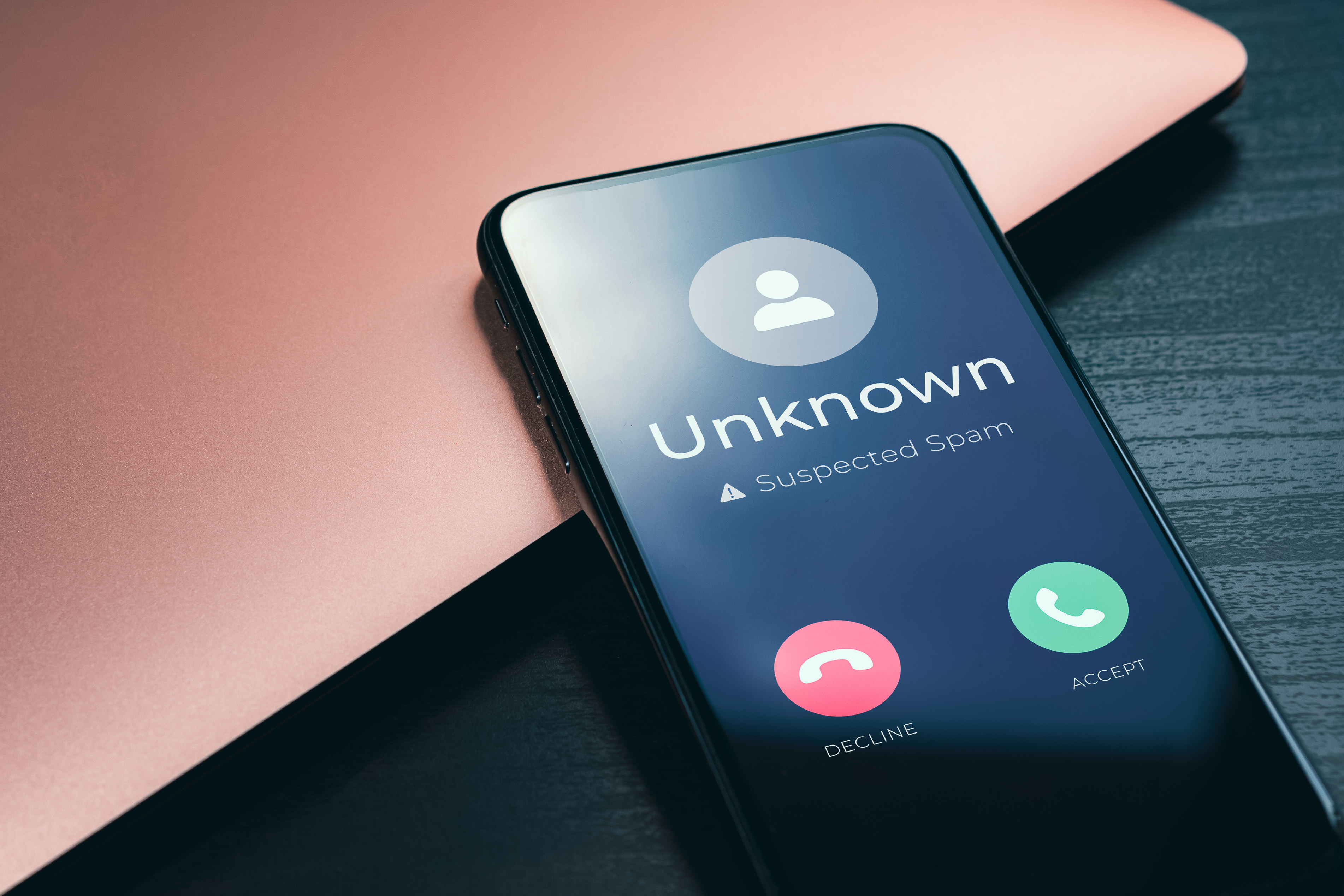
Yes. Both laws help protect privacy, but they focus on different things. The ECPA is about the privacy of electronic communications for both people and organizations, including when communications are being sent or stored.
The Telephone Consumer Protection Act (TCPA) is more focused on unwanted calls and texts. It sets rules for things like robocalls, artificial or prerecorded voice messages, and telemarketing. In many cases, businesses need a person's consent before sending certain automated calls or texts, and telemarketing messages often require written consent.
So, a simple way to think about it is this: the ECPA focuses on keeping communications private, while the TCPA focuses on receiving consumer consent prior to businesses contacting people by phone or text.
Private calls, messages, and other electronic communications may be protected by federal law. If you or your organization believe someone accessed, recorded, or shared those communications without permission, you may want to learn more about your legal options.
You can seek legal representation to find out whether the ECPA may apply to your situation.